


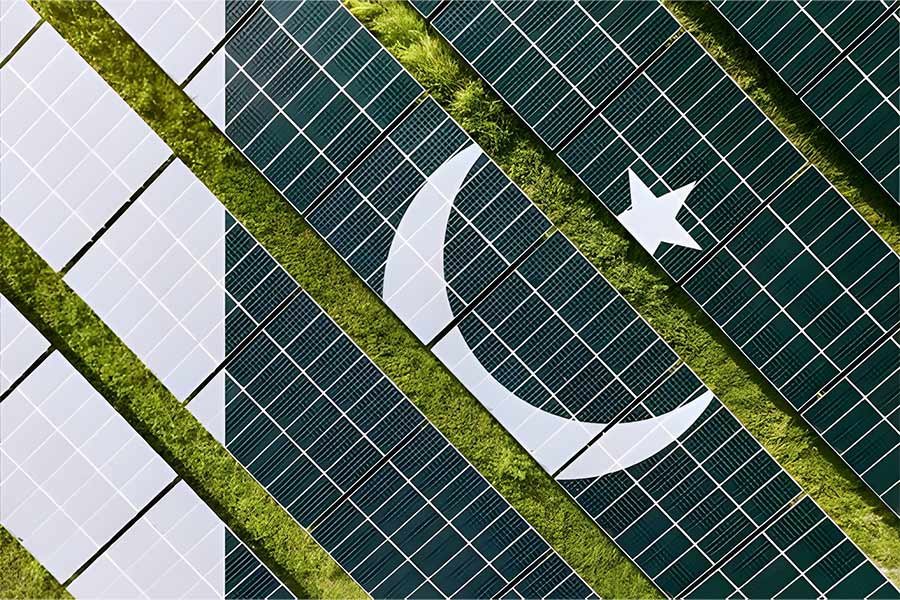
The Rise of Bifacial Panels: Are They Worth It for Pakistani Roofs?
With the demand for clean energy still on the rise, Pakistan’s solar sector is racing at rocket pace. From traditional monofacial panels to cutting-edge bifacial technology, today’s consumers and companies have more options than ever before. Of these new innovations, bifacial solar panels that can be used on both sides to collect sunlight are the talk of the town. But on rooftops in Pakistan, is it worth the investment? Let’s take a look.
Understanding Bifacial Solar Panels
In contrast to conventional monofacial panels, which get sunlight only from the front side, bifacial panels are designed to get sunlight from the front and rear. They have the ability to take advantage of reflected light from surfaces like concrete, tiles, or even light-colored soil—producing additional electricity from the same area.
Producers like Canadian Solar Panels and other leading global producers have launched new glass-glass or glass-transparent back sheet architectures to improve the efficiency and longevity of bifacial modules. Such panels are usually installed on high-lying or reflective surfaces to maximize rear-side generation.
How Bifacial Panels Work
The technology used in bifacial panels is simple but efficient. The front receives direct sunlight, and the back gets reflected light from the ground cover or roof. Rear-side contribution is usually most dependent on installation conditions—such as tilt angle, mounting height, and surface type below.
For instance, if your roof is white-painted tiles or concrete, the reflectance will be better, and bifacial panels are capable of producing an additional 10–20% more energy compared to standard monofacial panels. They are thus especially suited for industrial and commercial installations in Pakistan where equal weightage is given to space and performance.
Advantages of Bifacial Panels in Pakistan
1. Increased Energy Output
Pakistan is one of the nations that enjoys one of the highest solar irradiance concentrations in the globe with the sun shining over it nearly 300 days a year. This also increases the efficiency of bifacial panels. They can provide more energy output per square meter, and hence, the locals and companies can generate more returns on investment.
2 . Increased Durability
Most bifacial panels have tempered glass on either side, which offers greater protection from harsh weather conditions heat, dust, and even hail. This is perfect for Pakistani weather with temperatures above 45°C.
3. Reduced Levelized Cost of Energy (LCOE)
Bifacial panels generate more electricity throughout their life, and hence the cost per unit of electricity comes down. Over time, it can cut your electricity bill by a considerable margin and enhance system payback periods.
4. Extended Lifespan
Because of improved materials and reduced mechanical stress from the symmetrical design, bifacial panels will more probably come with 30-year performance guarantees—longer than standard solar panels.
Challenges for Pakistani Roofs
While bifacial panels offer impressive advantages, their performance depends on environmental and structural factors. Here are a few considerations for Pakistani homeowners:
1. Roof Type and Reflectivity
Many Pakistani homes have flat cement roofs with limited reflectivity. Without a reflective surface or adequate panel elevation, the rear side might not contribute much additional energy. Applying a reflective coating (such as white paint or aluminum sheets) can help enhance performance.
2. Installation Costs
Bifacial systems generally cost 10–15% more than traditional panels due to specialized mounting structures and higher material quality. For smaller residential installations, the initial investment can feel steep—though long-term benefits often offset the difference.
3. Shading and Orientation
Because bifacial panels rely on reflected light, shading from nearby structures or water tanks can reduce efficiency. Ensuring an open installation area with optimized tilt angles is crucial for maximum yield.
Canadian Solar Panels and Bifacial Innovation
Among the leading manufacturers, Canadian Solar Panels have been pioneers in bifacial technology. Their panels are widely recognized for high conversion efficiency, strong build quality, and excellent temperature tolerance—features that make them ideal for Pakistan’s diverse climate.
Canadian Solar’s bifacial modules have been successfully deployed in both commercial rooftop and ground-mounted projects across the region, showing consistent results even in dusty and hot conditions. When paired with local expertise—like that provided by DSG Energy—these panels can deliver exceptional performance on Pakistani roofs.
Are Bifacial Panels Worth It for Pakistani Roofs?
In short: Yes—if installed properly. For commercial and top residential users, bifacial panels are an outstanding investment. They not only capitalize on solar output but also provide lasting resilience against heat and dirt. While the upfront cost is higher, the additional energy produce, strength, and reduced maintenance make them a future-proof choice for Pakistan’s solar sector.
For small-scale residential systems with limited roof space, traditional monofacial panels might still be more cost-effective—unless reflective surfaces and optimized mounts are incorporated.
Why Choose DSG Energy
At DSG Energy, we trust in driving Pakistan toward a greener, smarter, and energy-efficient future. Our team focusses in providing advanced solar solutions, including bifacial solar panel systems from trusted global brands like Canadian Solar, Jinko etc.
We not only ensure top-quality installations but also design each system to suit the unique conditions of Pakistani rooftops—helping our clients save more, live sustainably, and embrace renewable energy with confidence. With DSG Energy, you’re not just installing solar panels—you’re investing in a cleaner future.
“The future shines brighter when we learn to capture light from every side.”
FAQs
Yes, they can be very effective, especially if your roof has reflective surfaces or enough height for sunlight to reach the rear side.
Typically, they produce 10–20% more energy, depending on the installation setup and roof reflectivity.
Not particularly. Regular cleaning and keeping the area free of dust and debris are usually enough to maintain efficiency.
Yes, slightly—around 10–15% higher in cost. However, their increased output and longer lifespan often justify the investment.
