


Solar for Rice Mills in Pakistan: What It Can (and Can’t) Do for Your Power Bill
Walk through any rice mill and you’ll hear it: motors humming, elevators clanking, polishers running. Every one of those machines is eating electricity, and when the bill goes up, the cost of every bag of rice goes up too.
That’s why more mill owners are asking about solar. It isn’t magic, and it won’t fix every power problem. But for a business that runs heavy machinery all day, it deserves a serious look.
Where The Money Goes
Milling is hungry work. Dehuskers, polishers, dryers, conveyors and packing lines all pull power, and how much depends on the size of your mill, your machines and your working hours.
A tariff hike goes straight into your margins. In peak season, when the mill barely stops, it hurts even more. And if you rely only on the grid, you’re also at the mercy of outages, which don’t care whether you have a truck waiting to be loaded.
You can’t set the tariff. What you can change is how much of your power comes from the grid in the first place.
How Solar Fits A Mill
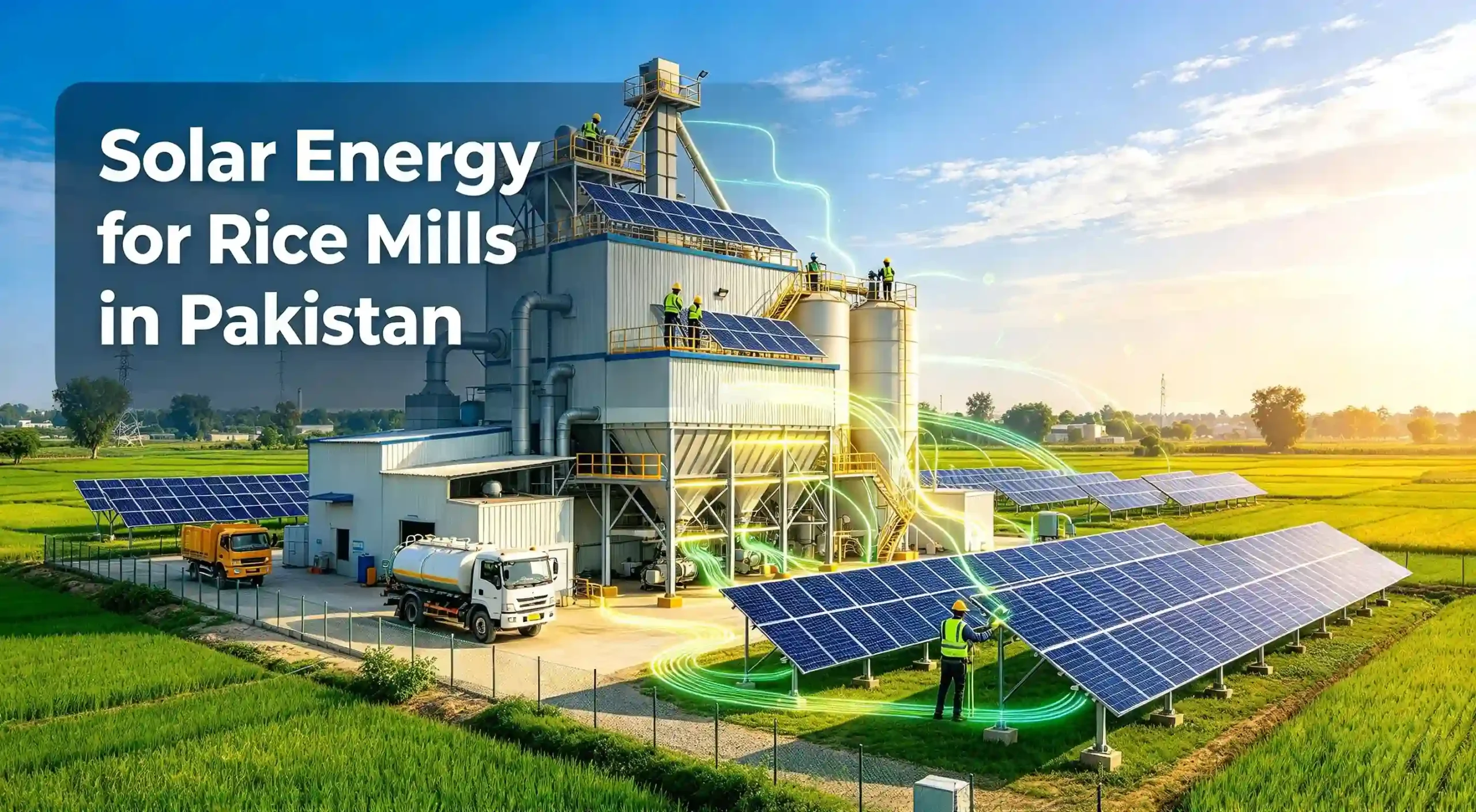
The panels turn sunlight into electricity, the inverters convert it into something your machines can use, and it feeds your existing electrical system. While the sun’s up, you pull less from the grid.
Mills happen to be a good match for this. Most of the work happens in daylight, and that’s exactly when panels produce the most. The power gets used as it’s made, so very little goes to waste.
Output depends on a handful of things: system size, how much sun your site gets, panel angle, shade, equipment quality and how much power your mill actually uses.
What You Actually Get Out Of It
A smaller bill: Every unit the panels make is a unit you don’t buy. How much you save depends on the system size, your tariff and how much of the solar power you use on site. Get an energy assessment done before you spend anything, because a general estimate from a brochure won’t tell you much about your mill.
Costs you can plan around: The part of your power that comes from your own roof doesn’t move when tariffs do. It won’t wipe out your electricity expense, but it makes budgeting a bit less painful, and when margins are thin that matters.
Backup, but only if you design for it: People get this wrong a lot. A normal grid-tied solar system switches itself off when the grid goes down, for safety reasons. So if you assume your panels will keep the mill running through a blackout, they won’t. For that you need batteries and a hybrid inverter, and the system has to be built around the machines you can’t afford to stop and how long you need them running.
Putting idle space to work: Most mills have large roofs, sheds or warehouses sitting there doing nothing. Panels can go up without touching production. If you have spare land, a ground-mounted system is another route. Either way, someone needs to check the roof strength, shading and access for cleaning before anything is installed.
Something to tell your buyers: Exporters and bigger buyers are asking about sustainability more than they used to. Making part of your own power from the sun cuts the emissions tied to your electricity use, and gives you something concrete to talk about. How much it cuts depends on how much grid power you replace.
Sizing It Properly
There’s no standard size. A small mill handling a few tonnes of paddy a day has nothing in common with a big plant running several lines.
Start with your last few electricity bills, your sanctioned load, a list of your machines and the hours you run them. A good assessment will look at how many units you use in a normal day, how much of that happens in daylight, whether your roof or land can take the system and whether your wiring can handle it. It should also consider any machinery you plan to add and, of course, the numbers: installation cost, expected savings, maintenance and payback time.
Skipping this step leads to one of two mistakes. Either the system is too small to make a noticeable dent, or it’s so big that you’re producing power you can’t use.
Looking After The System
Installation is the start, not the finish. A rice mill is a dusty place, and dust and fine husk will settle on the panels and block light from reaching the cells. How often they need cleaning depends on where you are, the panel tilt, rainfall and how much dust your site throws up.
Every so often, have someone look over the connections, mounting structures, inverters and monitoring system, and follow the manufacturer’s instructions and safety rules when they do. Monitoring is worth having. A slow drop in output is easy to miss, and catching it early saves months of lost savings.
Why DSG Energy
The company you pick matters as much as the panels. Industrial solar takes careful planning, solid installation and someone who’ll still answer the phone after the job is done.
DSG Energy designs solar systems for commercial and industrial sites. We begin by looking at how your mill uses power, what space you have and what you want out of the system, then work out what fits. The goal isn’t to cover your roof with panels. It’s to build something that keeps your production running and your power costs under control for years.
If you’re curious about solar for the first time, or wondering whether batteries are worth it for your mill, a proper assessment is the place to start.
Quick Answers
Usually, yes, especially if you use a lot of power in the daytime. Whether it works for you comes down to your load, your space, the system size and the financials.
It depends on your system size, your tariff, how much the panels produce and how much of that you use directly. An assessment gives you a far better number than any rule of thumb.
Yes, as long as the system is designed around your equipment. That means looking at motor ratings, starting currents, working hours and your existing electrical setup.
Not always. If you just want to cut daytime bills, a grid-connected system may be enough. Batteries come into it when you want backup, want to use stored solar later or have specific energy needs.
Look for real experience with industrial projects, a thorough assessment process, good equipment, professional installation, monitoring and dependable after-sales support. Get designs and financial projections from more than one company and compare them.
